What Is IT Asset Recovery?
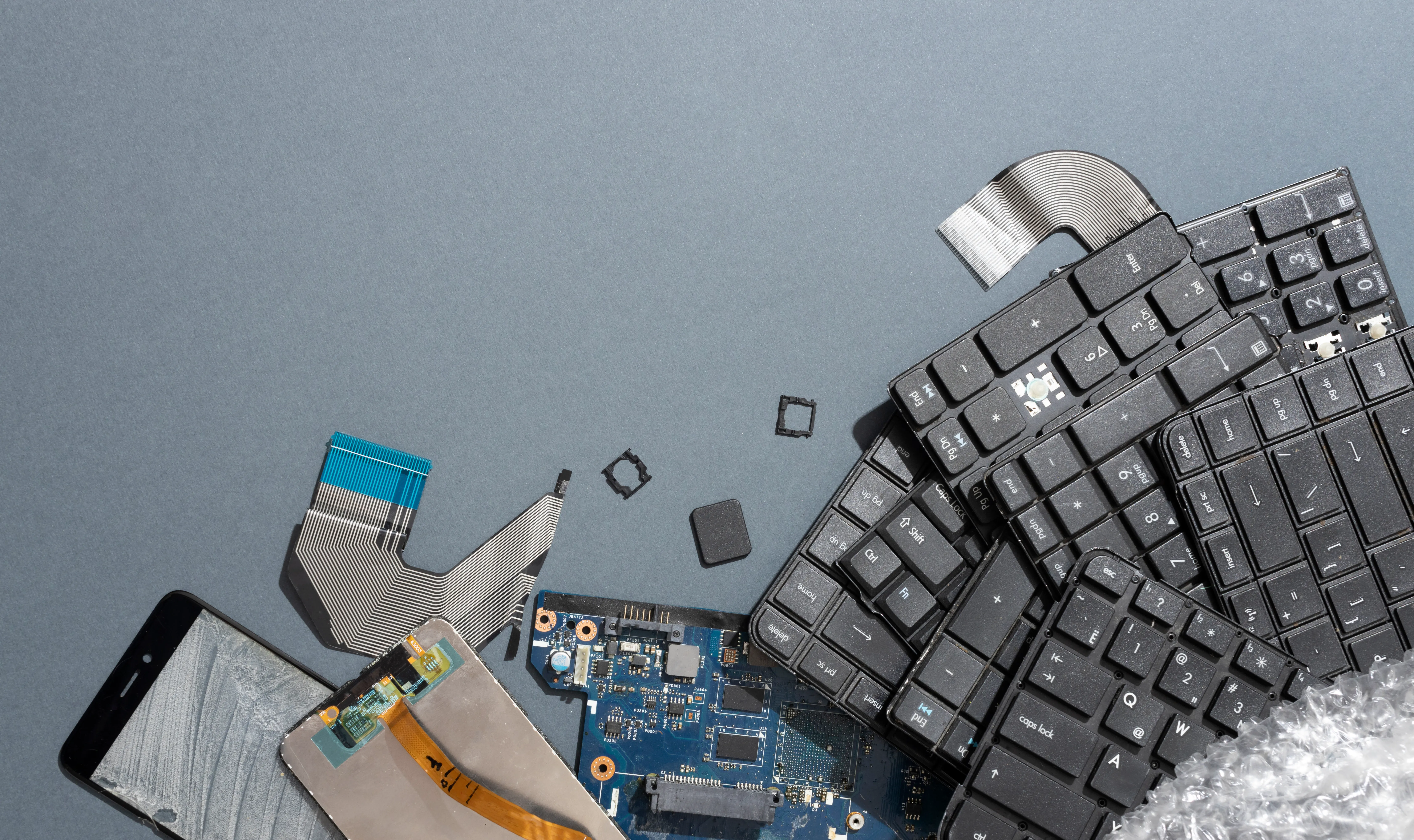
IT Asset Recovery (ITAR) is the structured process of managing, retrieving, and disposing of outdated, unused, or surplus IT equipment such as desktops, laptops, servers, networking devices, and storage media. Instead of simply discarding old assets, IT asset recovery focuses on maximizing value through reuse, resale, refurbishment, or responsible recycling while ensuring complete data security and regulatory compliance.
Why IT Asset Recovery Is Important
As organizations upgrade technology, large volumes of IT assets become obsolete. If not managed properly, these assets can lead to data breaches, compliance risks, and environmental harm. IT asset recovery helps organizations securely remove sensitive data, reduce disposal costs, meet environmental regulations, and recover financial value from retired equipment. It also supports sustainability and corporate responsibility initiatives.
How IT Asset Recovery Works
The IT asset recovery process begins with the secure collection and inventory of retired IT equipment from the client’s location. Each asset is evaluated to determine whether it can be reused, refurbished, resold, or recycled. Data-bearing devices undergo certified data sanitization methods such as data wiping, disk erasing, or degaussing to ensure complete data destruction. Reusable assets are refurbished and remarketed, while non-recoverable items are dismantled and recycled using eco-friendly processes. Detailed reports and certificates are provided to ensure transparency and compliance.
Benefits of IT Asset Recovery
IT asset recovery helps businesses reduce environmental impact, prevent data leakage, recover residual asset value, and comply with government regulations. It streamlines asset disposal, improves cost efficiency, and contributes to a secure, sustainable, and responsible IT lifecycle management strategy.
_OphoM6W.webp)
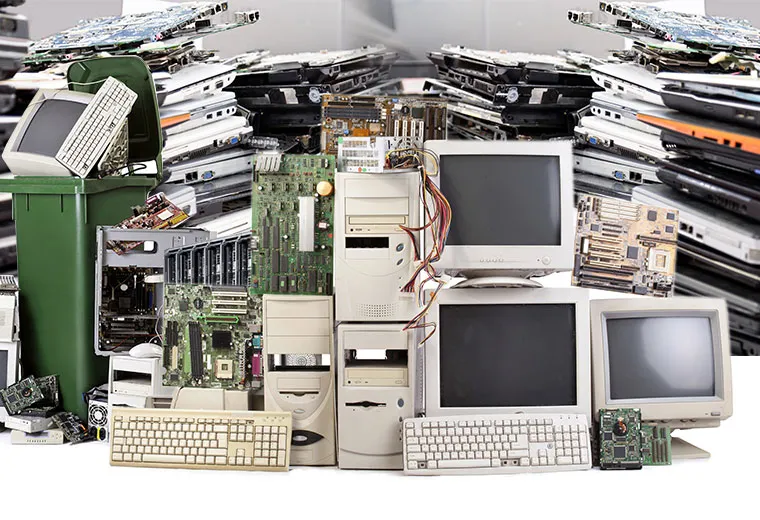
E-waste recycling involves the responsible collection, segregation, and recycling of discarded electronic items such as computers, laptops, servers, and accessories. Improper disposal of e-waste can harm the environment due to toxic materials like lead and mercury. Certified e-waste recyclers follow government guidelines to ensure eco-friendly recycling, resource recovery, and reduced landfill impact, helping businesses meet sustainability and compliance goals.
View Details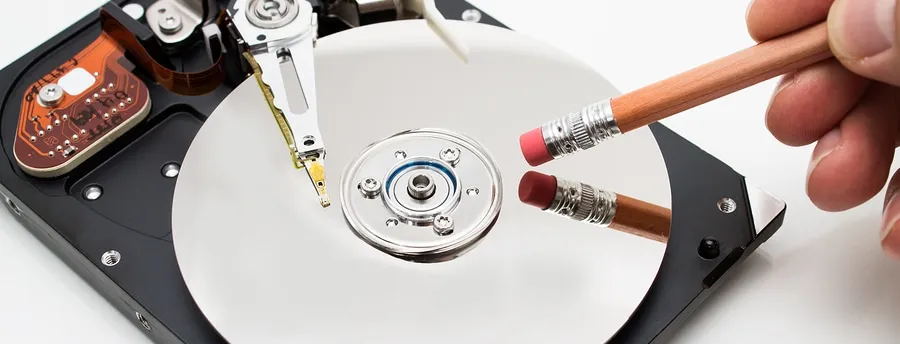
Data sanitization is a critical step in IT asset disposal. It involves permanently erasing data from hard drives, SSDs, and other storage devices to prevent unauthorized access. Secure data sanitization protects businesses from data breaches, identity theft, and legal risks. Certified sanitization methods follow industry standards and provide audit reports for compliance. This service allows organizations to safely reuse, resell, or recycle IT assets without compromising data security.
View Details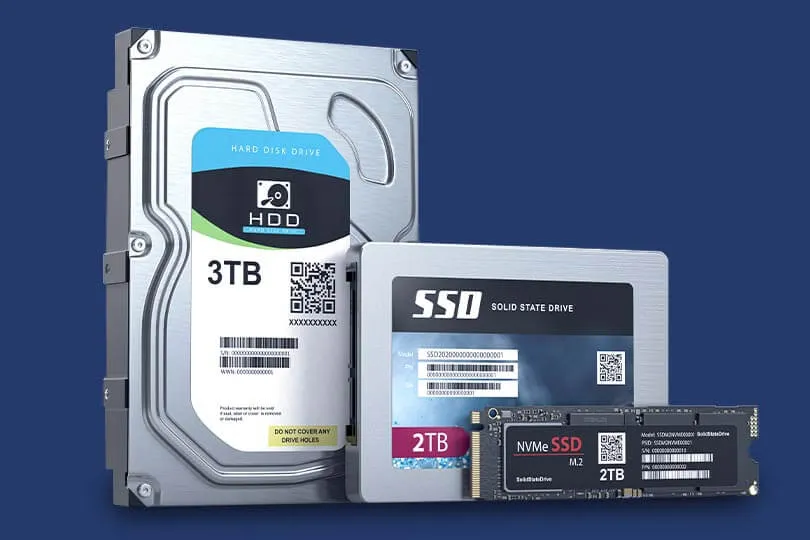
Infrastructure disposal services ensure safe dismantling and disposal of outdated IT and office infrastructure in compliance with environmental standards. Infrastructure disposal involves the safe removal and disposal of obsolete IT hardware, office systems, and supporting equipment. This includes servers, racks, cables, UPS systems, and other infrastructure components. Proper disposal
View Details